

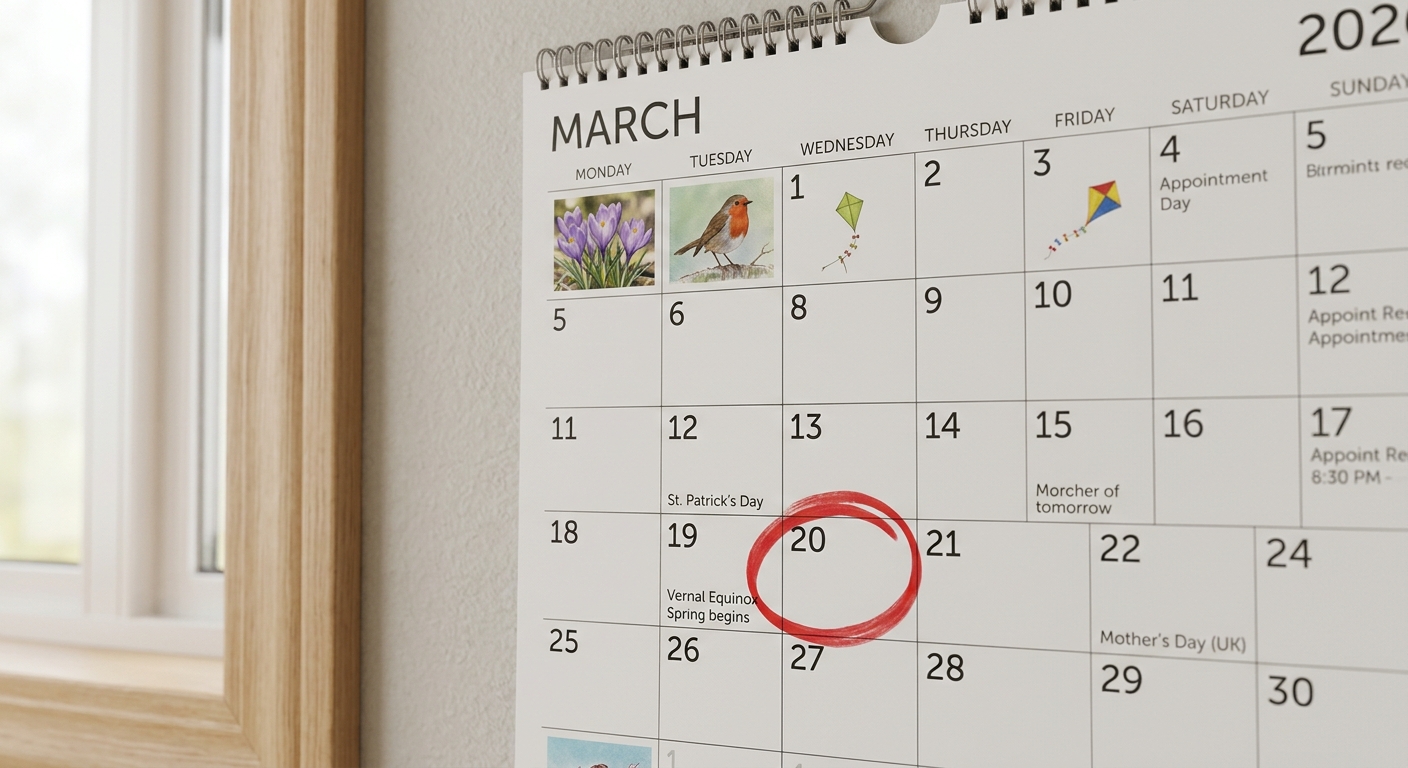
On March 4, 2026, the EEOC closed both of my charges and issued right-to-sue letters. Fifteen days later, I was fired.
So I filed again. This time, I filed it myself.
What This Charge Is About
My first two charges were about the harassment and the retaliation that followed it. This one is about how it ended: disability discrimination under the Americans with Disabilities Act.
In plain terms, the charge says the Alabama Department of Transportation (ALDOT) treated me as someone too mentally ill to work, and then punished me for it. If you’ve been following this series, you’ve already seen the record behind it:
- A finding that I was a danger to myself, made without any medical professional (December 16 and December 20 posts).
- A requirement to return to work that changed four times, and that my own provider said only a different kind of professional could meet (Four Documents, Four Different Answers).
- Being called insubordinate for asking HR for ADA forms (I Asked for ADA Forms).
- My leave treated as unrelated to my health when it came to insurance, and as caused by my health when it came to unemployment (Canceled Before I Was Told and April 9).
- A termination letter saying my documentation was never submitted, two weeks after ALDOT received it (March 2026: How It Ended).
Under the ADA, it’s illegal to take action against someone because an employer believes he has an impairment, whether or not he actually does. That’s called being regarded as disabled, and it’s at the center of this charge.
What’s Happened Since
Since filing, I’ve sent the EEOC every document you’ve seen in this series, and more. When something new happens, such as what I learned about my unemployment claim, I put it in writing and add it to the record.
The EEOC offered mediation. Mediation is voluntary, informal, and confidential, and it can settle a case without anyone having to admit anything. I was willing. ALDOT refused.
ALDOT’s response to this charge was due on September 23, and it filed one. I’m not going to post it while the case is open. But I will tell you this: its account of November 2025 is not the same as the one it gave the EEOC in January. In January, ALDOT’s own attorney said that at my November follow-up, I was told my work was meeting standards. Now, the way I read its new response, ALDOT describes me as having been on notice as of November, much like the December 16 letter did.
If ALDOT’s version of November keeps changing depending on who it’s telling and when, which version should anyone believe?
Keeping an EEOC Charge Alive
Filing a charge isn’t the end of the work. If you have an open charge:
- Put everything in writing to your investigator, and keep a copy of every document you send.
- Report new retaliation as it happens. You may be able to add it to your existing charge, or you may need to file a new one, so ask.
- Answer the employer’s response. You usually have a chance to rebut it, and that’s where contradictions in its story count.
- Know your deadlines, especially the 90 days to sue after a right-to-sue letter. Missing it can end your case.
- Consider mediation. It’s free and voluntary, and even if the other side says no, you’ve shown you were willing.
The EEOC explains what happens after you file at eeoc.gov/filing-charge-discrimination.
Why I’m Still Here
It would be easier to let this go. I’ve lost my job, my health insurance, and much of my health. I’m in debt.
But the people behind all of this are still there. And somewhere in that building, or one like it, is the next person who reports what’s happening to them and gets told to just talk to the person doing it.
I’m still here for them. This charge is open. The record is still being written.
On Monday, I’ll post the next entry in this series: I Wrote to the Governor. Here’s What I Said.
The record continues.
About this record: The events in The Foundation are documented in dated records and are consistent with statements I have given under penalty of perjury to the EEOC. Names are withheld; job titles are used instead. Commentary and opinions are my own.
For journalists, researchers, and advocates: If you are covering workplace bullying or public-employee accountability and need documentation or more detail, contact me at 9IX@9inthman.com.



Leave a Reply